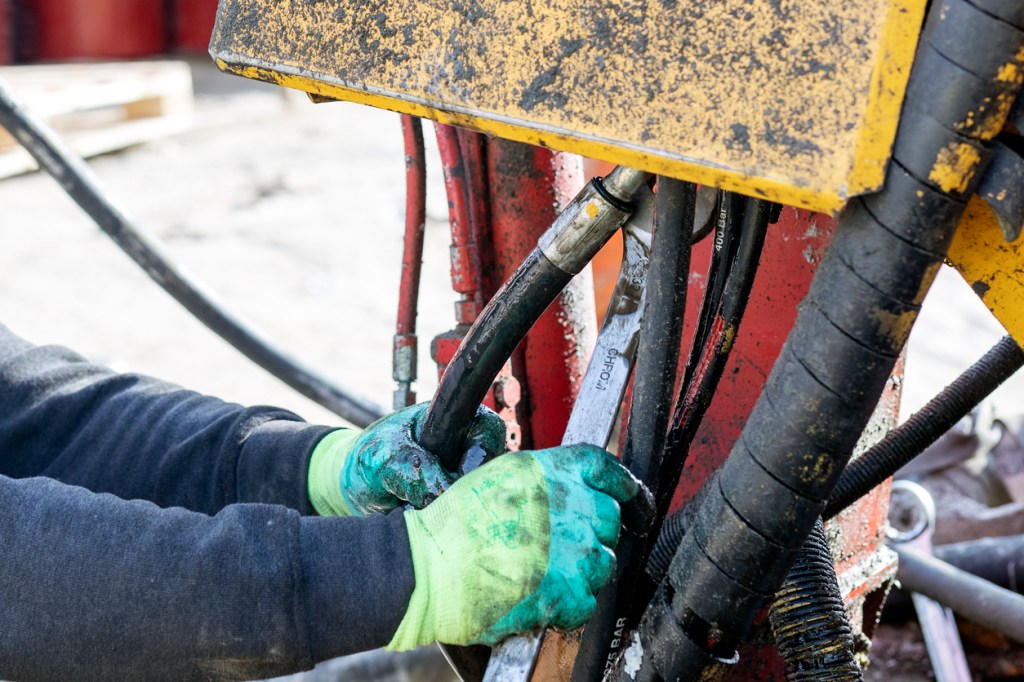
Hydraulic hoses are like the lifelines of machines that use hydraulic systems. They carry fluid under high pressure to make things move, like the arms of a backhoe or the lift on a forklift. Taking care of these hoses can prevent breakdowns, save money, and keep things running smoothly. Here’s an easy guide for anyone to follow.
1. Look at the Hoses Often
Check your hoses regularly to catch small problems before they become big ones.
- What to Look For:
- Scratches or cuts on the hose surface.
- Bulges or bumps that shouldn’t be there.
- Leaking oil around the ends.
- Rusty or loose metal fittings.
💡 Example: Imagine finding a tiny crack in your garden hose before it bursts—fixing it early saves you from a messy situation. It’s the same with hydraulic hoses.
2. Keep Things Clean
Dirty hoses can cause big problems. Keeping the inside and outside clean is super important.
- How to Clean:
- Use special cleaning tools (like foam bullets) to clean inside new hoses before installing them.
- Wipe down the outside to remove dirt and grime.
- Change the oil filter in the hydraulic system to keep the fluid clean.
💡 Example: Think about how dirty oil in your car engine could cause problems—it’s the same for machines with hydraulic systems. Clean hoses = smooth operation.
3. Install Hoses the Right Way
The way you set up hoses matters a lot.
- Tips for Installing Hoses:
- Don’t bend hoses too sharply; gentle curves are best.
- Use clamps to keep hoses from rubbing against anything.
- Never twist a hose when attaching it—it weakens the hose over time.
💡 Example: It’s like hanging a curtain rod. If you twist or bend it too much, it won’t hold up. Set it up the right way from the start!
4. Watch Pressure and Temperature
Hydraulic hoses work hard under pressure and in hot environments. Don’t push them too far!
- How to Help:
- Use a gauge to keep an eye on the pressure.
- Add shields or covers to protect hoses from heat if needed.
💡 Example: Imagine overfilling a water balloon—it might burst! Hoses can burst, too, if the pressure is too high.
5. Replace Worn-Out Hoses
Hoses won’t last forever, no matter how well you take care of them.
- When to Replace:
- If you see cracks, leaks, or bulges, swap the hose out immediately.
- Even if hoses look fine, replace them after a few years if the manual says to.
💡 Example: Think of changing your car’s tires before they go bald. You’re preventing a breakdown before it happens.
6. Use Extra Protection
Sometimes hoses need a little help to last longer.
- Add Protection:
- Wrap hoses in sleeves to protect them from rubbing against sharp edges.
- Use heat-resistant covers for hoses near hot parts.
💡 Example: Picture a phone case protecting your screen from scratches—it’s just like wrapping hoses to keep them safe.
Why It’s Worth the Effort
Taking care of hydraulic hoses isn’t hard if you check them regularly, clean them, and replace them when needed. Doing this will save you money, keep your equipment working, and avoid surprise breakdowns. Follow these steps, and you’ll keep your hydraulic systems in tip-top shape.

 Hydraulic Hoses Near Me